The Magic of Pages: How Kids Read Books and Learn Through Happy Stories
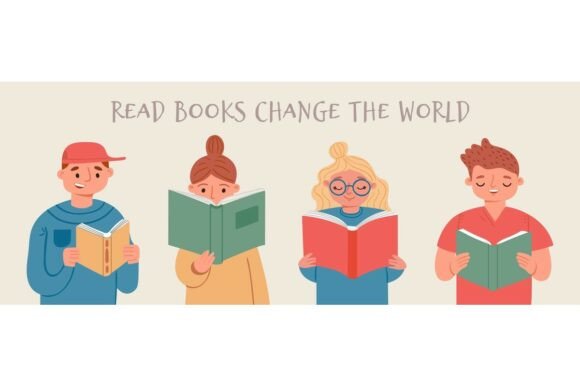
In the vibrant world of childhood education, few images are as universally recognized or as powerful as that of a child curled up with a book. Whether depicted in a colorful cartoon banner for a school library or observed in the quiet corner of a local bookstore, the scene of happy girls and boys reading is more than just a visual trope; it is a fundamental pillar of human development. When kids read books and learn, they embark on a journey that shapes their cognitive abilities, emotional intelligence, and future success. This exploration delves into the profound impact of early reading, moving beyond the simple act of decoding words to understand the rich tapestry of learning that unfolds when children engage with literature.
The Foundation of Learning: Why Reading Matters
At its core, reading is the gateway to knowledge. For young minds, the process of reading is not merely about recognizing letters; it is an active construction of meaning. When children open a book, they step into a new reality where they can explore worlds far removed from their own. This exposure is critical for vocabulary acquisition, cognitive flexibility, and critical thinking skills. Research consistently shows that children who read regularly develop stronger neural pathways associated with language processing and comprehension.
The significance of this activity extends into modern life and future career prospects. In an era dominated by digital screens and rapid information consumption, the ability to focus deeply on a text—a skill honed through traditional reading—is becoming increasingly rare and valuable. Schools and educational institutions emphasize reading because it serves as the bedrock for all other subjects. A child who reads well finds it easier to grasp complex concepts in science, history, and mathematics, as these subjects rely heavily on textual instruction and problem-solving narratives.
Cognitive Development and Brain Growth
When kids read books and learn, their brains undergo significant physical changes. The act of reading stimulates multiple areas of the brain simultaneously, including those responsible for vision, language, and memory. Unlike passive media consumption, reading requires the child to visualize characters, predict plot outcomes, and empathize with different perspectives. This mental gymnastics strengthens the brain's executive functions, which are essential for planning, organizing, and regulating behavior.
- Imagination Stimulation: Books require the reader to create mental images, fostering creativity and innovative thinking.
- Empathy Building: By stepping into the shoes of diverse characters, children learn to understand emotions and experiences different from their own.
- Concentration Skills: Sustaining attention through a story builds the endurance needed for academic tasks and professional work later in life.
Creating a Culture of Happy Reading
One of the most important aspects of early literacy is ensuring that the experience is positive. The concept of "Happy reading" suggests that learning should be enjoyable, not a chore. When children associate books with happiness, comfort, and adventure, they are more likely to develop a lifelong love for learning. This is often illustrated in educational materials—such as vector concepts for libraries and schools—where smiling faces, bright colors, and engaging illustrations invite children to participate.
To foster this environment, parents and educators must curate a variety of materials that appeal to different interests. Not every child will love the same genre. Some may prefer non-fiction books about dinosaurs or space, while others might be drawn to fairy tales or humorous comics. The key is variety and accessibility. A well-stocked home library or a welcoming school reading corner acts as a beacon, signaling that reading is a safe and exciting space.
Practical Strategies for Parents and Educators
Integrating reading into daily routines is one of the most effective ways to encourage literacy. Here are practical steps to help children thrive:
- Read Aloud Daily: Even after children begin reading independently, reading aloud to them exposes them to more complex vocabulary and sentence structures than they might encounter on their own.
- Create a Dedicated Space: Establish a cozy, distraction-free area with comfortable seating and good lighting where reading is the primary activity.
- Model the Behavior: Children mimic adults. When they see parents or teachers reading for pleasure, they internalize the value of the activity.
- Visit Libraries and Bookstores: Making regular trips to these locations turns book selection into an event, allowing children to exercise choice and ownership over their reading material.
Bridging the Gap: From Illustrations to Independence
The journey from picture books to chapter books is a gradual transition that marks a significant milestone in a child's education. Early readers often rely heavily on illustrations to understand the narrative. These images serve as scaffolding, helping children decode the story before they can fully decipher the text. As their skills improve, the reliance on pictures decreases, and the depth of their understanding increases.
This progression is vital for building confidence. Many common misunderstandings suggest that once a child can sound out words, they have "learned to read." However, true literacy involves comprehension, analysis, and synthesis. A child might read a page fluently but miss the underlying theme or moral. Therefore, ongoing engagement through discussion questions and follow-up activities is crucial. Asking a child, "What do you think will happen next?" or "How would you feel if you were in that character's place?" encourages deeper processing of the material.
The Role of Technology and Modern Media
In today's digital age, the definition of "reading" has expanded. E-books, interactive apps, and audiobooks offer new avenues for kids to access stories. While some worry that technology detracts from traditional reading, it can actually complement it when used correctly. Interactive books that include audio narration and animated elements can support struggling readers, keeping them engaged and motivated.
However, balance is key. The tactile experience of turning pages and the sensory connection to a physical book remain unique benefits that digital formats cannot fully replicate. A hybrid approach, where children enjoy both physical books and digital resources, often yields the best results. It allows them to appreciate the convenience of technology while maintaining the deep focus required for long-form reading.
Overcoming Barriers to Literacy
Despite the clear benefits, not all children have equal access to books or supportive reading environments. Socioeconomic factors, lack of resources, and learning disabilities can create barriers to literacy. Addressing these challenges requires a community-wide effort. Libraries play a pivotal role here, acting as free hubs where any child can access thousands of titles regardless of their background.
Schools also bear the responsibility of identifying reading difficulties early. Programs focused on phonics, guided reading groups, and one-on-one tutoring can make a tremendous difference for students who struggle. It is essential to remember that every child learns at their own pace. Patience, encouragement, and tailored support are the tools that transform a reluctant reader into an enthusiastic learner.
The Long-Term Impact of Early Reading
The influence of early reading extends far beyond the classroom. Adults who grew up reading frequently tend to have higher levels of empathy, better communication skills, and greater adaptability in the workplace. In a business context, the ability to consume large amounts of information quickly and critically is a prized asset. Furthermore, the habit of reading fosters a mindset of continuous learning, which is essential in a rapidly changing world.
Ultimately, the image of happy girls and boys with books represents more than just a moment of leisure; it symbolizes the potential of the future generation. When we prioritize reading, we invest in the cognitive and emotional well-being of our children. We equip them with the tools to navigate complex problems, understand diverse cultures, and create their own stories.
Whether through a colorful vector illustration in a school hallway or the quiet rustle of pages in a living room, the message remains the same: reading is a superpower. By nurturing this habit early, we ensure that kids not only read books and learn facts but also discover the joy of understanding the world around them. Let us continue to champion the power of the written word, creating a society where every child has the opportunity to experience the magic of happy reading.