Navigating Social Skills: An Evaluation of Expected Unexpected Behaviors
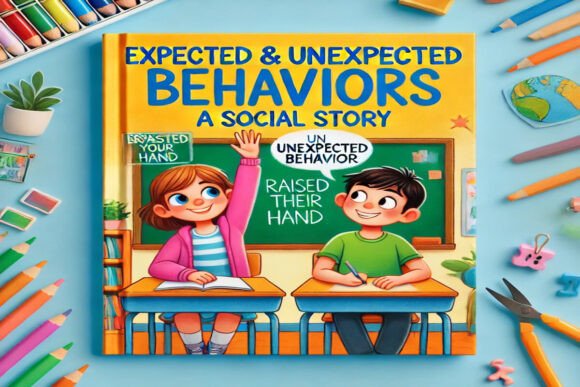
For educators, parents, and therapists working with children in the early elementary years, establishing clear behavioral boundaries is a foundational challenge. The transition from home to school environments often requires children to decode complex social cues that are rarely explicit. In this context, resources like Expected Unexpected Behaviors have emerged as significant tools for teaching social-emotional learning (SEL). This resource is designed specifically for students in grades 1 through 3, offering a structured approach to distinguishing between appropriate and inappropriate actions across various settings.
When evaluating educational materials, it is crucial to understand not just what a product claims to do, but how it functions within the broader ecosystem of behavior management strategies. Expected Unexpected Behaviors positions itself as an engaging social story, a format that has gained traction for its ability to make abstract social concepts concrete for young learners. By focusing on the dichotomy of "expected" versus "unexpected," the material provides a binary framework that simplifies decision-making for children who may struggle with nuanced social interactions.
The Core Framework: Defining Expected vs. Unexpected
The primary distinction of this resource lies in its pedagogical approach. Unlike traditional discipline methods that focus heavily on correction after an incident, Expected Unexpected Behaviors utilizes a proactive narrative structure. It presents scenarios where children can visualize the consequences and social impact of their choices before they occur. This aligns with evidence-based practices in special education (SPED) and general classroom management, which suggest that visual supports and clear definitions significantly improve compliance and understanding.
The content covers three critical domains: school, home, and social settings. This tripartite structure is essential because behaviors that are acceptable in one environment may be inappropriate in another. For instance, running might be expected during recess but unexpected in the hallway. By explicitly mapping these differences, the resource helps children generalize skills rather than memorizing rigid rules that fail to account for context. The use of colorful visuals reinforces these distinctions, catering to visual learners who constitute a large portion of the student population requiring additional support.
Comparing Formats: Digital Flexibility vs. Physical Textbooks
In the landscape of SEL resources, the format of delivery is often as important as the content itself. Many traditional social stories are bound in physical books or limited to specific digital platforms that require subscriptions. Expected Unexpected Behaviors distinguishes itself by offering a multi-format availability, including PDF, PNG, and JPG files. This flexibility offers distinct advantages for different user groups.
For teachers managing a classroom, the ability to download high-resolution images (PNG/JPG) allows for the creation of custom anchor charts, bulletin boards, or individualized visual schedules without needing to purchase expensive laminating supplies or binders. Parents homeschooling their children can print specific pages relevant to current challenges, creating a targeted intervention tool. Conversely, therapists can integrate these images directly into digital therapy sessions via screen sharing, maintaining engagement even in remote settings.
However, there are tradeoffs to consider. While digital formats offer versatility, they lack the tactile permanence of a physical book. Some children benefit from the ritual of turning pages in a hardcover book, which can provide a sense of routine and stability. If a child relies heavily on sensory feedback or if the primary goal is independent reading at bedtime, a printed version of a standard book might be more effective. Therefore, the decision to use Expected Unexpected Behaviors depends largely on whether the priority is customization and integration into existing systems or a standalone reading experience.
Evaluating Effectiveness Across Different Settings
The utility of any behavioral resource must be weighed against the specific needs of the environment. In a general education classroom, Expected Unexpected Behaviors serves as an excellent whole-group instruction tool. Teachers can read the story aloud and facilitate discussions about why certain behaviors are expected. The simple language and relatable examples make it accessible for the average first to third grader, reducing the cognitive load required to understand social norms.
In contrast, for students with autism spectrum disorder (ASD) or other developmental delays, the resource functions as a specialized intervention. These students often struggle with theory of mind—the ability to understand that others have thoughts and feelings different from their own. The explicit labeling of behaviors in this social story bridges that gap. However, while the resource is robust, it is not a substitute for professional therapy. It is best utilized as a component of a comprehensive Behavior Intervention Plan (BIP) rather than a standalone cure-all.
Homeschooling families also find value in this approach. Without the constant peer modeling found in schools, homeschooled children sometimes require more direct instruction on social etiquette. The structured nature of Expected Unexpected Behaviors provides a script for parents to follow, ensuring consistency in messaging. Yet, parents must be prepared to adapt the examples to their specific family dynamics, as the generic scenarios provided may need tweaking to fit unique household rules.
Strengths, Limitations, and Decision Factors
When deciding if this resource fits your needs, several factors come into play. The strengths of Expected Unexpected Behaviors are clear: it is age-appropriate, visually engaging, and highly adaptable due to its file formats. The emphasis on positive reinforcement—focusing on what to do rather than just what not to do—aligns with modern educational psychology. Furthermore, the inclusion of role-playing suggestions encourages active learning, moving beyond passive listening to practical application.
However, potential limitations exist. The reliance on visual aids means that children with significant visual processing issues may require alternative accommodations. Additionally, while the examples are broad, they may not cover every niche scenario a child might encounter. Complex emotional situations, such as navigating grief or advanced conflict resolution, may exceed the scope of this particular social story. In such cases, readers may need to supplement this material with more advanced counseling techniques or specialized literature.
Another consideration is the level of adult involvement required. This resource is not self-teaching; it demands an adult to guide the discussion, ask probing questions, and facilitate role-play. Families or schools looking for a "set it and forget it" solution may find the initial time investment necessary to implement the activities effectively. The effectiveness of the tool is directly proportional to the quality of the facilitation.
Strategies for Implementation and Integration
To maximize the value of Expected Unexpected Behaviors, users should adopt a strategic implementation plan. Reading the book is only the first step. The true power lies in the follow-up activities. Educators and parents should schedule regular intervals to revisit the stories, especially when new behavioral challenges arise. Using the downloadable images to create "behavior choice boards" can help children make decisions independently throughout the day.
Role-playing is another critical component. After discussing a scenario, adults should encourage children to act out both the expected and unexpected behaviors. This kinesthetic approach reinforces memory and helps children recognize the physical and emotional differences between the two states. For example, acting out "running in the hallway" versus "walking quietly" allows the child to feel the difference in energy and safety.
Furthermore, consistency is key. The terminology used in the resource—"expected" and "unexpected"—should become part of the daily vocabulary in the home or classroom. When a child makes a mistake, referencing the social story ("Remember, running was unexpected in the library") creates a non-judgmental reminder that connects back to the lesson learned. This creates a cohesive feedback loop that strengthens the neural pathways associated with positive social behavior.
Conclusion: Making an Informed Choice
In the vast array of social skills resources available, Expected Unexpected Behaviors stands out for its clarity, flexibility, and alignment with developmental needs for early elementary students. It offers a practical bridge between abstract social rules and concrete actions, making it a valuable asset for teachers, parents, and therapists alike. However, like any educational tool, its success depends on thoughtful selection and consistent application.
Readers should weigh the benefits of its digital versatility and visual clarity against the need for adult facilitation and the potential need for more specialized content for complex cases. For those seeking a foundational tool to build social awareness and manage classroom or home behavior, this resource presents a compelling option. By integrating it into a broader strategy of positive reinforcement and open communication, caregivers can help children navigate the complexities of social interaction with confidence and understanding.