Evaluating the Third Grade Floral Apple Design for Classroom Use
The Third Grade Floral Apple Design represents a specific aesthetic approach to educational decor, merging traditional academic symbols with organic, seasonal elements. At its core, this design concept utilizes the apple—a longstanding icon of education and nourishment—framed by vibrant floral arrangements and autumn foliage. It is not merely a static image but a thematic package intended to set the tone for the beginning of an academic year. For educators, parents, or school administrators researching classroom materials, understanding the practical application, visual impact, and limitations of this specific design style is essential before integrating it into a learning environment.
Understanding the Design Elements
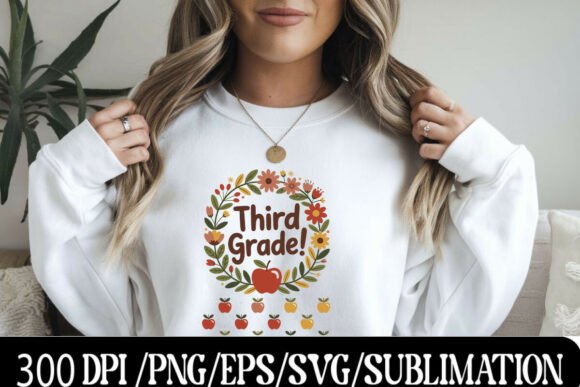
To evaluate the Third Grade Floral Apple Design, one must first deconstruct its visual components. The central motif is the apple, often rendered in bright reds or greens, symbolizing knowledge and health. Surrounding this focal point are floral wreaths and scattered leaves in shades of orange, gold, and brown, evoking the essence of autumn. Typography within these designs typically leans towards playful, rounded fonts that mirror the energy of young learners.
This combination creates a "scintillating symphony" of nature and school spirit. However, from a functional perspective, the design serves two primary purposes: decoration and psychological priming. The use of warm colors and familiar natural shapes aims to create a welcoming atmosphere, reducing anxiety associated with the first day of school. The integration of a wreath suggests a sense of community and inclusion, while the apple motif reinforces the context of learning without being overly rigid or formal.
Reasons for Interest and Relevance
Why might an educator consider this specific graphic? The primary driver is the alignment with seasonal timing. As the academic year begins in many regions during late summer or early autumn, the Third Grade Floral Apple Design offers immediate contextual relevance. It bridges the gap between the home environment, where children may be enjoying fall activities, and the classroom setting.
Furthermore, third-grade students are at a developmental stage where they appreciate detailed visuals but still respond well to whimsical, colorful imagery. This demographic is transitioning from the highly illustrated world of early elementary to more structured learning environments. A design that balances creativity with recognizable symbols helps maintain engagement. Additionally, schools often seek themes that can be easily extended into lesson plans, such as art projects involving leaf rubbings or writing prompts about apples and harvest, making this design a versatile anchor for interdisciplinary activities.
Benefits and Practical Advantages
When implemented correctly, the benefits of this design are multifaceted:
- Atmospheric Warmth: The blend of floral and autumnal colors creates a cozy, inviting space that can help alleviate "first-day jitters" for students returning to school after a break.
- Visual Engagement: The high contrast between the red apples and the varied hues of the leaves captures attention effectively, making it suitable for bulletin boards, welcome signs, or digital presentations.
- Thematic Cohesion: It provides a ready-made theme that unifies various classroom elements, from name tags to worksheet headers, ensuring a consistent visual identity throughout the room.
- Developmental Appropriateness: The playful yet structured nature of the graphics aligns well with the cognitive and emotional needs of eight-to-nine-year-olds.
Tradeoffs and Considerations
Despite its appeal, there are tradeoffs to consider when selecting the Third Grade Floral Apple Design. The most significant limitation is its seasonality. While perfect for September and October, the heavy reliance on autumn leaves and harvest motifs may feel dated or out of place by November or December. This necessitates a plan for updating decor later in the term, which requires additional time and resources.
Another consideration is color theory and accessibility. Designs bursting with "vibrant fall colors" can sometimes become visually overwhelming, particularly for students with sensory processing sensitivities or certain visual impairments. If the contrast is too high or the patterns too dense, it could distract rather than focus. Educators should ensure that text placed over these backgrounds remains legible and that the overall composition does not clutter the learning space.
Additionally, the "floral" aspect introduces a level of complexity. Unlike simple geometric apple icons, floral wreaths require higher resolution to print clearly. Low-quality reproductions may appear muddy or pixelated, diminishing the professional look of the classroom. Budget constraints may also play a role if high-quality printing or purchasing pre-made items is required.
Situations Where It Is a Strong Fit
The Third Grade Floral Apple Design is an excellent choice in specific scenarios:
- Back-to-School Launches: It is ideal for the first week of school, serving as a powerful visual welcome that sets a positive, energetic tone.
- Seasonal Projects: When curriculum units involve nature, agriculture, or autumn traditions, this design acts as a cohesive backdrop for student work displays.
- Community Events: For open houses or parent-teacher conferences held in the fall, this aesthetic communicates warmth and organization to families.
- Transitional Classrooms: In rooms that need to balance fun with structure, the design's mix of playful typography and organized wreath structures provides a middle ground.
When Alternatives May Be Worth Considering
There are instances where other design approaches might serve better than the floral apple theme. If a school operates on a strict year-round calendar or if the start of the term occurs outside the autumn window, the seasonal references will feel disconnected. In such cases, a timeless design featuring neutral colors or non-seasonal educational icons (like books, pencils, or globes) would offer greater longevity.
Furthermore, if the classroom focuses heavily on STEM subjects or requires a minimalist aesthetic to reduce distraction, the "blissful blend" of flowers and leaves might introduce unnecessary visual noise. A cleaner, more modern graphic style could support focused concentration better than a busy, multi-element wreath design. Finally, if budget is extremely tight, simpler, monochromatic apple clipart might be more cost-effective to reproduce in bulk compared to complex, multi-colored floral arrangements.
Decision-Making Insights
To determine if the Third Grade Floral Apple Design aligns with your goals, ask the following questions:
- Does my timeline allow for seasonal decor changes, or do I need a permanent solution?
- Will the visual density of the design support or hinder the readability of important information posted alongside it?
- Does the aesthetic match the broader culture and values of our school community?
- Do I have the technical capability to print or display the graphics at a resolution that preserves the detail of the floral elements?
If the answers lean toward flexibility, a desire for seasonal warmth, and the ability to manage visual complexity, this design is a strong candidate. It successfully melds the freshness of apples with the cheerfulness of nature, offering a tribute to school spirit that resonates with the excitement of new beginnings. However, if long-term utility and minimalism are the priority, exploring alternative, less seasonal options may yield better results. Ultimately, the decision should rest on how well the design supports the educational objectives and the comfort of the students occupying the space.